

Best Investing Apps for Beginners: Grow Your Wealth from Your Phone
Hey there, future investor! Ever feel like financial markets are this mysterious, exclusive club only for Wall Street big shots? Well, let me tell you, those days are long gone. Thanks to the digital revolution, the power of investing is literally in your pocket, accessible through a few taps on your phone. Mobile applications have truly democratized access to financial markets, making it easier than ever for beginners to start their investment journey.
You might be wondering, “Why start investing now?” The simple answer is: compounding. That magical concept where your money earns returns, and those returns, in turn, earn more returns. Starting early, even with small amounts, is a powerful strategy for wealth growth, paving the way to financial independence and a comfortable retirement. So, let’s dive into navigating this exciting landscape and help you select the optimal investment app, evaluated on criteria specifically designed for beginners like us.
II. Foundational Criteria for Beginner-Friendly Investing Apps
Choosing the right investing app can feel overwhelming with so many options out there. But don’t sweat it! I’ve broken down the key factors that make an app truly beginner-friendly. Think of this as your personal financial guide to finding the best platform.
Investment Selection & Cost Efficiency
First off, what can you actually invest in? A good app will offer diverse assets like stocks, ETFs (Exchange-Traded Funds), mutual funds, and bonds. Crucially, look for platforms with low or zero-commission trades. Nobody wants their hard-earned money eaten up by fees, right? Transparency in underlying investment fees, like expense ratios for funds, is also a must. You want to know exactly what you’re paying for.
User Interface (UI) & Ease of Use
An intuitive and straightforward app is non-negotiable for beginners. If the app feels like you need a certified planner just to navigate it, it’s probably not for you. We’re looking for simplified processes for account setup, funding, and trade execution on both mobile and desktop platforms.
Fractional Share Investing Capabilities
This is a game-changer! Fractional shares mean you can invest with small capital – sometimes as little as $1 or $5. This allows you to buy a “slice” of expensive stocks or diversified ETFs without needing hundreds of dollars. It’s an excellent way to start diversifying your portfolio even with modest savings.
Diversity of Account Types
As you grow, your financial plan might expand beyond a basic brokerage account. Look for apps that offer tax-advantaged accounts like a Roth IRA or Traditional IRA for retirement planning. Some even offer SEP IRAs, Solo 401ks for business owners, or 529 plans for saving for a child’s education.
Automated Investment Features
Life gets busy, right? The ability to set up recurring deposits and scheduled investments is paramount. This “set it and forget it” approach is often the best way to build consistent wealth and harness the power of dollar-cost averaging.
Overall Account Fee Structure
Beyond trading commissions, be aware of any monthly or annual platform fees. For managed services, like robo-advisors, understand the advisory fees. Every dollar saved on fees is a dollar that stays invested and working for your future!
Unique Features & Educational Support
Does the app offer anything extra? Robo-advisors, financial planning tools, research reports, Market insights, and educational content can significantly help beginners understand the nuances of investing. A little guidance goes a long way.
III. Comprehensive Review of Top Investing Apps for Beginners (2025)
Alright, let’s get to the fun part! Based on these criteria, here are some of the top investing apps that I’ve seen stand out for beginners in 2025.
A. Fidelity: The Robust Platform for Long-Term Growth
- Pros: Fidelity offers extensive investment options – stocks, ETFs, mutual funds, bonds, and even crypto. They boast zero commissions on most trades and fractional shares from just $1. You’ll find a wide array of account types, from personal and retirement to business and custodial accounts, plus 529 plans. Their automated investing features are solid, and they’re famous for their zero-fee index funds. Plus, their customer service and educational resources are top-notch.
- Cons: Setting up automated investment can require a few extra clicks, and some might find the app interface a bit less modern than newer competitors. Crypto transfer functionality is also limited.
- Best For: Long-term, DIY investors seeking a full-service broker with diverse options and low costs.
B. SoFi: Integrated Banking & Investment Solutions
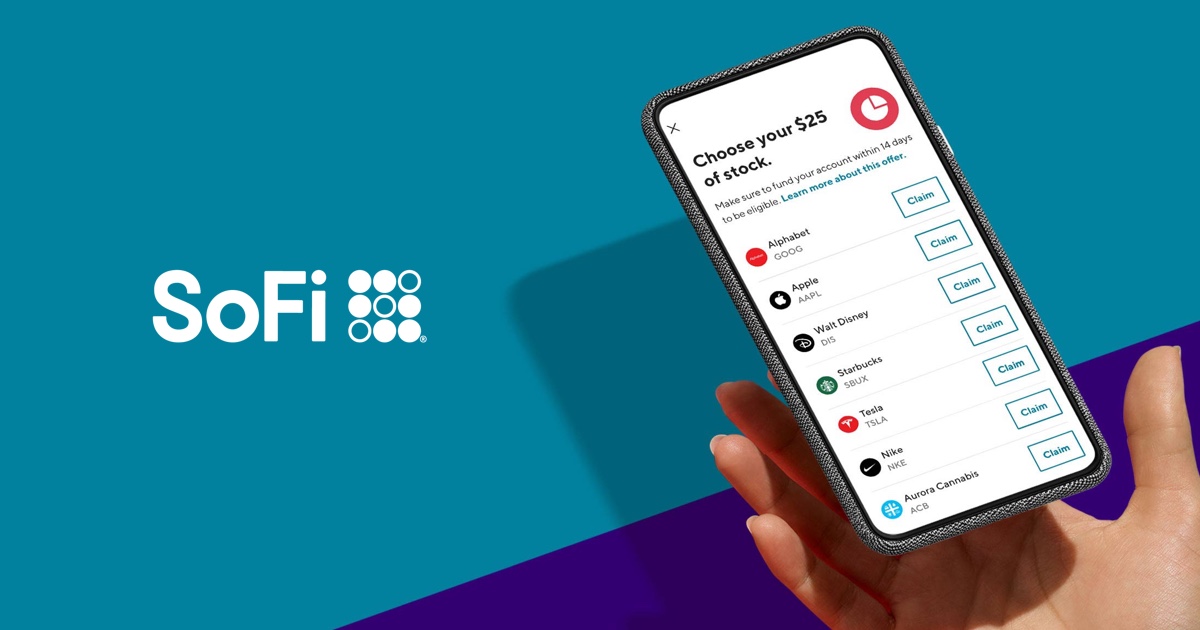
- Pros: SoFi has an exceptional user interface and seamless integration with high-yield checking and savings accounts. They offer zero-commission trades and fractional shares with a minimum of $5. Their robust automated investing includes a robo-advisor with no *additional* advisory fee. Plus, you get access to financial planners (a free 30-min consultation, unlimited for Plus members).
- Cons: Their investment selection isn’t as broad as major brokers, and they have fewer specialized account types (e.g., no Solo 401k or 529).
- Best For: Individuals desiring an all-in-one financial ecosystem and access to human financial advice.
C. M1 Finance: Personalized Automation through “Pies”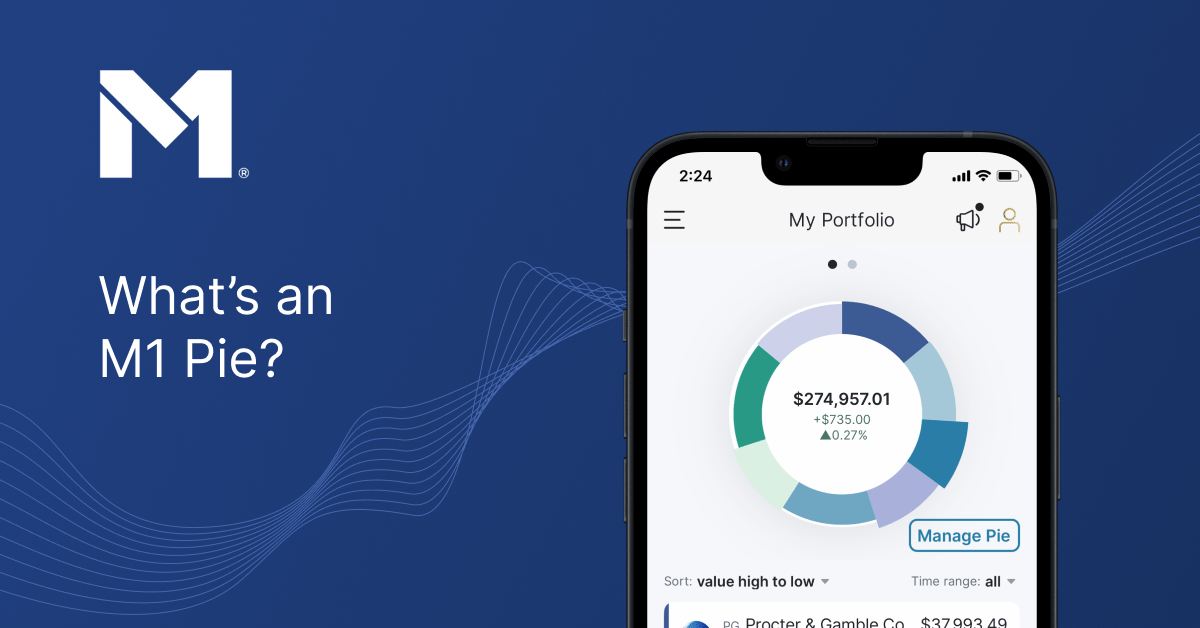
- Pros: M1 Finance is all about highly automated portfolio management using “Pies,” which are customizable asset allocations. They offer fractional shares and zero commissions on stocks and ETFs. You’ll find a good range of account types, including personal, retirement, business, and custodial.
- Cons: There’s a small learning curve for the “Pies” concept, and they have a $3/month fee for accounts under $10,000, which can feel steep for very small balances.
- Best For: Hands-off investors who want automated, diversified portfolios with a high degree of customization.
D. Vanguard: The Standard for Low-Cost Passive Investing

- Pros: Vanguard pioneered and leads the industry in low-cost index funds and ETFs (like the Vanguard S&P 500 ETF VO at a tiny 0.03% expense ratio). They offer a broad traditional investment selection and comprehensive account types. I’ve seen significant improvements to their app functionality, making automated investing simple.
- Cons: Fractional shares are limited to Vanguard-specific funds, and some index funds still require a higher initial minimum ($3,000). Their website and app can be less intuitive for advanced features, and Solo 401k services are outsourced.
- Best For: Passive, long-term investors prioritizing minimal fees and broad Market exposure through index funds.
E. Charles Schwab: Extensive Services and Global Access

- Pros: As one of the largest brokers, Charles Schwab offers a vast investment selection, including US and international stocks, ETFs, mutual funds, and bonds. They have zero commissions, fractional shares, and extensive account types. Setting up automated investing is straightforward. Their customer support and educational content are strong. A unique feature I love is their cash management account, offering zero international ATM fees – a big plus if you travel!
- Cons: While functional, their user interface might be less streamlined for absolute beginners, and their advanced trading platforms can be complex.
- Best For: Beginners seeking a comprehensive brokerage platform that can scale with their evolving investment needs.
F. Acorns: Micro-Investing with “Round-Ups”

- Pros: Acorns is incredibly simple, with its “Round-Up” feature for automated spare change investing. It builds diversified ETF portfolios with fractional shares. They offer personal brokerage, IRAs, custodial accounts, and high-yield savings (with tiered plans). It’s excellent for building initial investment habits.
- Cons: The monthly subscription fees ($3-$12) can significantly erode returns for small portfolio balances. Also, there are limited individual stock options.
- Best For: Novice investors focused on cultivating consistent saving habits through micro-investing.
G. Wealthfront: Goal-Oriented Robo-Advisory & Automated Financial Planning

- Pros: Wealthfront provides sophisticated goal-based financial planning with automated, diversified portfolio management by a robo-advisor. They have a low advisory fee (0.25%) and offer fractional shares. Account types include personal, retirement, business, and 529s, plus a high-yield cash account (~4% APY). Advanced features like tax-loss harvesting and “self-driving money” make for holistic financial automation.
- Cons: The advisory fee applies to assets under management, and it’s less suitable for active, self-directed stock picking.
- Best For: Hands-off investors prioritizing automated financial planning, tax efficiency, and integrated money management.
H. Robinhood: Simplified Trading & IRA Match

- Pros: Robinhood has an industry-leading intuitive user interface, making it incredibly easy to use for beginners. They offer zero commissions on stocks, ETFs, and select cryptocurrencies, along with fractional shares from $1. What’s more, they offer IRAs with potential matching contributions (up to 3% with Robinhood Gold, 1% for free members).
- Cons: Account types are limited (primarily brokerage and IRA), and they don’t offer mutual funds or bonds. Some argue its “gamified” interface can encourage excessive trading.
- Best For: Absolute beginners seeking the simplest entry into stock and ETF trading, or those interested in IRA matching benefits.
I. Moomoo: Empowering Active Trading Beginners

- Pros: Moomoo offers a user-friendly platform for active trading, packed with detailed charting tools and Market analysis features. They have zero commissions on US stocks/ETFs and access to some international stocks and fractional shares. I’ve also seen them frequently offer promotional bonuses and interest on uninvested cash.
- Cons: It’s primarily geared towards active trading rather than long-term passive investing. Account types are limited (taxable, margin only), and there’s no automated investing for US accounts.
- Best For: Beginners keen on learning active trading strategies and technical analysis.
J. Webull: Advanced Trading with Learning Tools

- Pros: Webull strikes a surprisingly good balance between ease of use for beginners and advanced tools for experienced traders. Their investment selection is wide (stocks, ETFs, OTC, options), and fees are low (0% commissions, low options fees) with fractional shares. They offer diverse account types (personal, IRAs, joint) and a robo-advisory service. The “paper trading” feature for risk-free practice is a fantastic way to learn. They recently added recurring investments too.
- Cons: It can be more complex than pure beginner apps, potentially overwhelming some users initially.
- Best For: Beginners aspiring to grow into active traders who value practice platforms and comprehensive tools.
K. Coinbase (Bonus): Your Entry to Cryptocurrency Investing

- Pros: Coinbase is widely recognized as the easiest platform for crypto entry. Its simple interface makes purchasing straightforward, and it offers a broad selection of over 200 cryptocurrencies. You can even set up automatic recurring investments. It’s regulated and secure, making it a good starting point for crypto exposure.
- Cons: Transaction fees on standard purchases can be high (though there are ways to reduce them). It’s not suitable for building a traditional diversified portfolio.
- Best For: Individuals looking to explore cryptocurrency investments as a small part of their overall portfolio.
IV. Strategic Considerations for App Selection
How do you find the perfect fit among these top investing apps? It all comes down to your personal goals and preferences.
- Assessing Your Investment Objectives: Are you aiming for long-term retirement planning and financial freedom, or are you interested in short-term speculation? Maybe a hybrid approach? Your strategy should dictate the type of platform you choose.
- Evaluating Financial Prerequisites: Consider minimum deposit requirements and any monthly fees. For small investment amounts, a $3 monthly fee can significantly impact your returns, so a zero-cost option might be better initially.
- Prioritizing Desired Functionalities: Is automation crucial for you? Do you need specific account types, extensive educational content, or direct access to financial advisors? Make a list of your must-haves.
V. Practical Steps to Commence Your Investing Journey
Ready to take the plunge? Here’s a simple plan to get started with online investing, using one of these top apps.
- 1. Initial Account Setup: Download your chosen app and complete the registration. You’ll need personal identification, so have that ready.
- 2. Bank Account Linkage: Securely connect your bank account(s) to easily transfer funds for investment.
- 3. Platform Familiarization: Spend some time exploring the app’s features and educational resources. Understand where everything is and how it works.
- 4. Defining Your Investment Strategy: Decide between a robo-advisor, diversified index funds, or self-directed investments. This is a critical step in your personal financial plan.
- 5. Funding and Initiating Investments: Transfer funds from your bank and, for consistent growth, set up automatic, recurring investments. This is the way to truly build wealth over time.
- 6. Ongoing Portfolio Monitoring: Regularly review your portfolio performance. With robo-advisors, rebalancing is often automated, keeping your portfolio aligned with your financial goals.
- 7. Vigilance on Fees and Promotions: Stay informed about all costs and leverage sign-up bonuses or referral programs where applicable. Every little bit helps save money.
VI. Conclusion: Empowering Your Investment Journey
It’s truly incredible how far investing has come, isn’t it? Mobile apps have transformed what was once a complex, intimidating world into something accessible and manageable for everyone. Whether you’re aiming to save for a house, fund your retirement, or simply grow your wealth, there’s an app out there designed to meet your needs.
Don’t let analysis paralysis hold you back. Pick an app that resonates with your personal financial goals, set up your automated investments, and start building your wealth today. Your financial freedom tomorrow begins with a single step from your phone today.
Recommended Reading
For further reading, we suggest these blogs:
The Ultimate Guide to Crypto Trading Apps: Security, Features, and Fees
How Mobile Apps Are Disrupting Traditional Banking Forever
The Future of Finance: Apps Integrating AI, Blockchain, and Payments
“Ready to take control of your finances? Discover the top investing apps that are changing the game! From micro-investing to robo-advisors, find out which apps can help you grow your wealth and achieve your financial goals. Click now to learn more!
VII. References
- [1] Credit Karma, Intuit. (n.d.). 10 Best Investing Apps for Beginners. Retrieved from https://www.creditkarma.com/investments/i/best-investing-apps-for-beginners
- [2] The Motley Fool. (n.d.). 6 Best Investment Apps for Beginners of 2025. Retrieved from https://www.fool.com/money/buying-stocks/best-investment-apps-for-beginners/
- [3] Reddit (r/FinancialPlanning Community). (n.d.). What are the best investing apps for beginners?. Retrieved from https://www.reddit.com/r/FinancialPlanning/comments/1j6js6h/what_are_the_best_investing_apps_for_beginners/
- [4] Wade, J. (2025, July 14). 10 Best Investing Apps for Beginners in 2025 (Tested & Reviewed) [Video]. YouTube. https://www.youtube.com/watch?v=1as8IUWAwzU
Disclaimer
This blog post is intended for informational purposes only and does not constitute financial advice. The content provided is based on general market knowledge and research. Investing in financial markets involves risks, and the value of investments can fluctuate. We recommend consulting with a certified financial planner or other qualified financial professional to discuss your individual financial situation and make investment decisions tailored to your needs and risk tolerance. We do not endorse any specific investment app or strategy over another, but rather aim to provide a comprehensive overview for beginners.