
Marketing

Quirkyjournals.com — Marketing insights, brand growth essentials & simplified digital strategy. Not marketing advice.

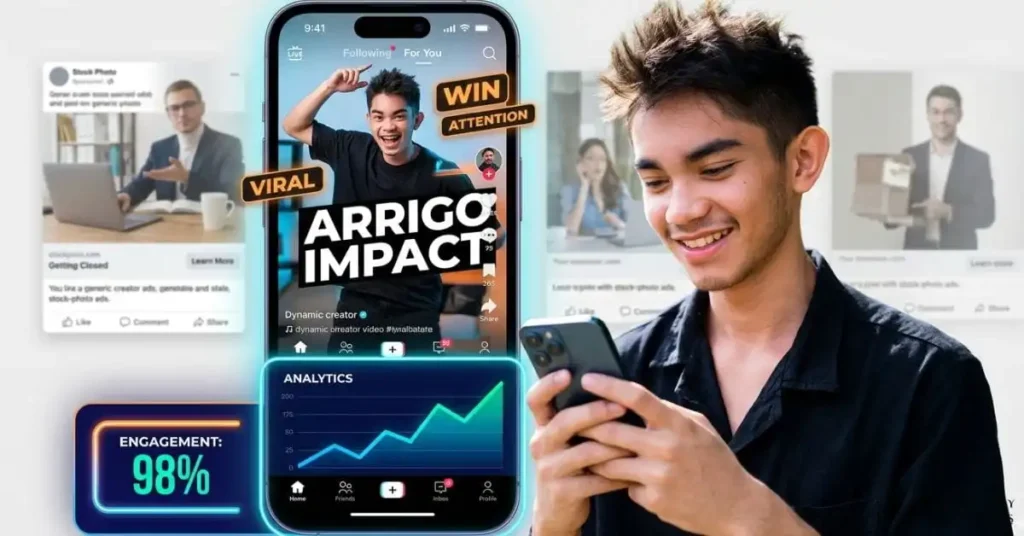
A bold, modern marketing scene showing a Gen Z audience scrolling on smartphones while a series of stale, overly polished ads fade into the background. In the foreground, one ad “wins attention” with fast-cut visuals, bold typography, meme-style energy, and authentic creator-style presentation. Include social app UI elements, a short-form video frame, and a subtle analytics dashboard showing higher engagement. Bright, high-contrast colors with neon accents, 16:9 aspect ratio, suitable as a blog header for an article about Gen Z ads and modern marketing.

Attracting Gen Z Clicks: What Works in Advertising to Gen Z Clients

Most brands are still advertising to Gen Z like it is 2015, and that is why the ads are getting ignored. This guide breaks down what actually works with Gen Z today—short hooks, authentic creative, platform-native content, and trust-first messaging—so you can stop being skipped and start getting attention that converts.

Attracting Gen Z Clicks: What Works in Advertising to Gen Z Clients Read More »
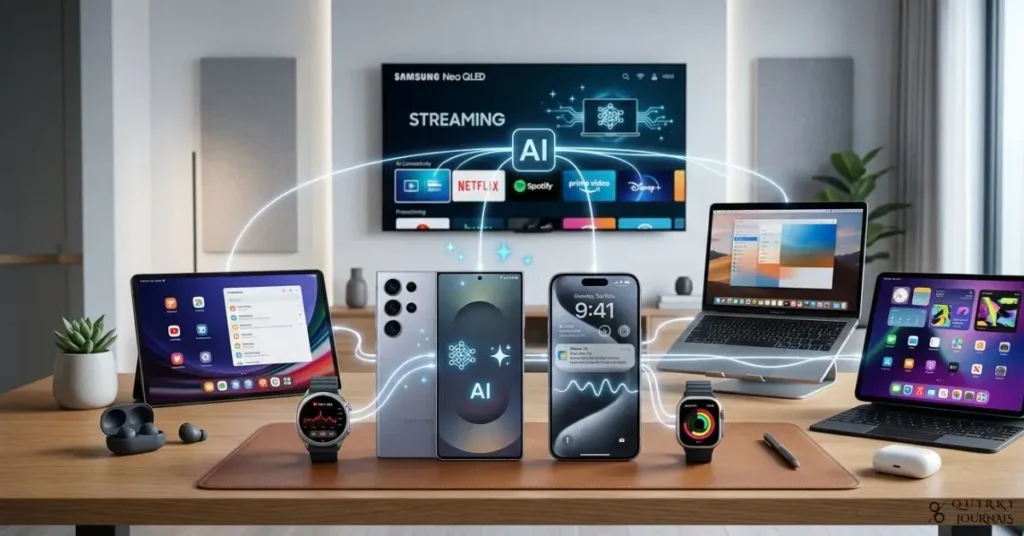
A sleek, editorial‑style composition showing a Samsung Galaxy S25 Ultra and an iPhone side by side on a minimalist desk, both connected visually by glowing lines to surrounding devices: smartwatch, earbuds, tablet, laptop, and a smart TV in the background, symbolizing ecosystem lock‑in. Subtle icons for AI (neural network, spark lines) float between the devices to suggest intelligent features and cross‑device continuity. Clean, modern lighting with cool whites and soft gradients, slightly premium “Apple‑ad” aesthetic but with Samsung branding visible on the Galaxy device, 16:9 aspect ratio, suitable for a tech strategy article about Samsung’s Apple‑style pivot.

Can Samsung Win by Becoming More Like Apple?

For years, Samsung played the role of Android’s hardware maverick, racing ahead with curved screens, folding phones, and spec-heavy flagships. By 2026, that story has flipped: the Galaxy S25 line sold more by changing less, leaning on iterative refinements, Galaxy AI features, and a tightly woven device ecosystem instead of headline‑grabbing hardware upgrades. This article unpacks how Samsung’s Apple‑style pivot toward premium pricing, ecosystem lock‑in, and polished software is reshaping its rivalry with Apple—and what that shift means for the next phase of the smartphone industry.

Can Samsung Win by Becoming More Like Apple? Read More »

Brand Trust Collapse After One PR Crisis Case Studies, Hard Data, and a Survival Playbook

PR Crisis Playbook: Survive Trust Collapse

Trust takes years to build but hours to destroy in the social media era. A Harvard Business Review study ties trust breaches to 15% average stock declines, while 71% of consumers ditch untrusted brands forever per Edelman. This guide breaks down the shock-scrutiny-scepticism arc of trust crashes, dissects real case studies, and delivers a playbook to prevent, respond, and recover from reputational disasters that hit the bottom line hard.

PR Crisis Playbook: Survive Trust Collapse Read More »

Influencer Marketing That Backfired: When Vanity Metrics Meet Reality

Influencer Marketing Failures: When Follower Counts Don’t Equal Sales

Influencer marketing looks unstoppable on paper: a $24 billion industry, giant follower counts, huge reach, and impressive engagement numbers on every campaign report. Yet an estimated 73% of influencer campaigns fail to produce meaningful business results, and only a tiny share of consumers say they’re likely to buy what influencers promote. This article unpacks why—how brands get trapped by follower counts, misread engagement rates, ignore audience relevance and authenticity, and end up with beautiful metrics and zero ROI—and lays out a practical framework for selecting creators, structuring campaigns, and tracking outcomes based on leads, customers, and revenue, not likes.

Influencer Marketing Failures: When Follower Counts Don’t Equal Sales Read More »