
Finance

Quirkyjournals.com — Personal finance insights, money management basics & simplified financial education. Not financial advice.

The Ultimate Guide to Stock Market Websites for Real-Time Analysis

The Ultimate Guide to Stock Market Websites for Real-Time Analysis

Forget delayed quotes—serious traders need real-time data, pro charts, and fast screeners. TradingView dominates with 100+ indicators and community ideas (free tier solid, Pro $14.95/mo). Finviz Elite crushes screening with heatmaps and insider data ($39/mo). Benzinga Pro’s audio squawk beats headlines by seconds ($99+/mo). Free: Yahoo Finance for fundamentals, Stock Analysis for overall research. Build your stack without wasting money on junk tools.

The Ultimate Guide to Stock Market Websites for Real-Time Analysis Read More »

Saving a Dying Business No-Capital Turnaround Strategies That Actually Work

Saving a Dying Business: No-Capital Turnaround Strategies That Actually Work

Watching your business slide toward failure is brutal, but more funding isn’t always the answer. Many companies recover by confronting the real problems: broken unit economics, ballooning overhead, weak positioning, unhappy customers, and undisciplined operations. This guide shows you how to run a brutally honest diagnosis, stabilise cash flow, cut non‑essential costs, renegotiate with suppliers, refocus on profitable products and customers, and rebuild a leaner, stronger business—using internal resources instead of expensive new debt or equity.

Saving a Dying Business: No-Capital Turnaround Strategies That Actually Work Read More »

Startup Market Research How to Calculate TAM, SAM, and SOM.

Startup Market Research: How to Calculate TAM, SAM, and SOM

TAM = total revenue if 100% market share (40M US households × $100/yr kitchen storage = $4B). SAM filters geography/channels (25% pop + 40% online = $280M). SOM applies competition (60% incumbents, target 7% = $19.6M yr3). Use Census/ZoomInfo for counts, Statista for benchmarks. SaaS: #companies × ACV. E-comm: repeat purchase frequency.

Startup Market Research: How to Calculate TAM, SAM, and SOM Read More »

The Economics of Cryptocurrency: Why There Is No 'Intrinsic Value' — and Why Bitcoin's Floor Might Actually Be Zero

The Economics of Crypto: Why There Is No Intrinsic Value—and Why the Floor Might Be Zero

Bitcoin has survived more than 15 years of “this is worthless” obituaries, multiple 80% drawdowns, regulatory attacks, and environmental criticism—yet it keeps coming back, often to new highs. The real question isn’t whether the price is volatile; it’s whether Bitcoin has any intrinsic value at all, and what that implies for a true floor price. This article defines “intrinsic value” in classical finance terms (cash flows and utility), contrasts that with network‑based and social‑consensus notions of value, and then walks through mining cost floors, network effects, and zero‑floor arguments from central banks, researchers, and market participants so you can make your own judgment about what, if anything, Bitcoin is fundamentally worth.

The Economics of Crypto: Why There Is No Intrinsic Value—and Why the Floor Might Be Zero Read More »

Balance Transfer Credit Cards How to Crush High-Interest Debt

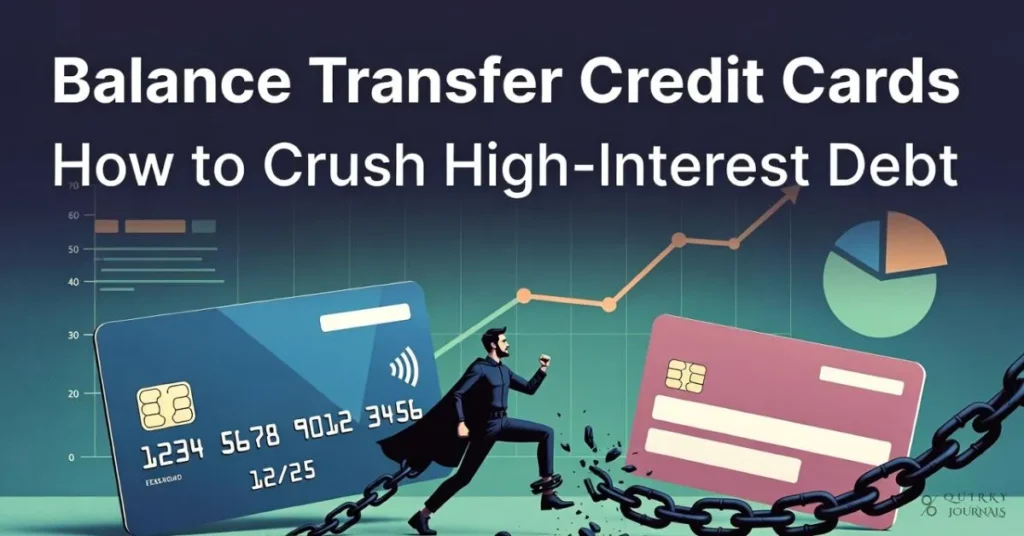
Balance Transfer Credit Cards: How to Crush High-Interest Debt

High-interest credit card debt quietly drains your income every month, making it feel like your balance never moves no matter how hard you pay. A well-structured balance transfer to a 0% APR card changes the math: instead of feeding interest at 18–28%, every payment goes straight to principal for 12–21 months. This guide walks through how balance transfer cards work, what APR really costs you, the mechanics of moving balances, and the exact steps to build a payoff plan that can save over $1,000 in interest on just $5,000 of debt—if you avoid common traps like transfer fees, new spending, and promo periods expiring.

Balance Transfer Credit Cards: How to Crush High-Interest Debt Read More »

War Economy Chapter 9 Sanctions, Trade Wars, and Economic Weapons Explained

War Economy Chapter 9: Sanctions, Trade Wars, and Economic Weapons Explained

Economic warfare has become one of the most powerful tools in international relations, allowing states to pursue strategic goals through financial systems, trade flows, and supply chains instead of direct military conflict. This chapter explains how sanctions, trade wars, and access to global payment networks like SWIFT are used to cut off revenue, block critical technology, and isolate target economies, as well as the limits, blowback, and long-term consequences of weaponising interdependence.

War Economy Chapter 9: Sanctions, Trade Wars, and Economic Weapons Explained Read More »

How to Identify Profitable Startup Ideas Solving Problems People Pay For.

How to Identify Profitable Startup Ideas Solving Problems People Pay For

Skip coffee shop brainstorming—bad ideas solve imaginary problems or trendy tech without pain. Instead: log personal friction 21 days, target broken industries (healthcare/logistics), copy recent wins geographically (Flexport → Latin America), ride AI/gene sequencing waves. Validate: clear paying customers? $10M+ bottom-up revenue? Your expertise? Talk 10-20 users before coding.

How to Identify Profitable Startup Ideas Solving Problems People Pay For Read More »

Angel Investing for Beginners From First Check to Portfolio

Angel Investing for Beginners: From First Check to Portfolio

Angel investing isn’t just “buying startup lottery tickets”—it’s a high‑risk, illiquid asset class where you write small checks (often $10K–$50K), expect most companies to fail, and rely on a few big winners to drive returns. This guide explains who qualifies as an accredited investor, why most experts cap angels at 5–10% of their net worth, how to join angel groups and syndicates to get deal flow, which founder and market signals actually matter, and how to pace 10–20 investments over 3–5 years instead of blowing your budget on the first two exciting pitches.

Angel Investing for Beginners: From First Check to Portfolio Read More »

War Economy Chapter 8 Geopolitics for Investors Reading Tensions Without Speculating

War Economy Chapter 8: Geopolitics for Investors: Reading Tensions Without Speculating

Investors lose on geopolitics by misunderstanding war economies where ideology trumps economics. Germany’s €100B defense fund, Poland’s 4%+ GDP military spend show sunk costs make programs unkillable. Real costs hit via inflation (money printing), debt on future taxpayers, capital crowded out from growth. Framework: Track currency/bond signals, position for supply chain shifts (India/Vietnam), skip overpriced defense stocks.

War Economy Chapter 8: Geopolitics for Investors: Reading Tensions Without Speculating Read More »