Algorithmic Trading

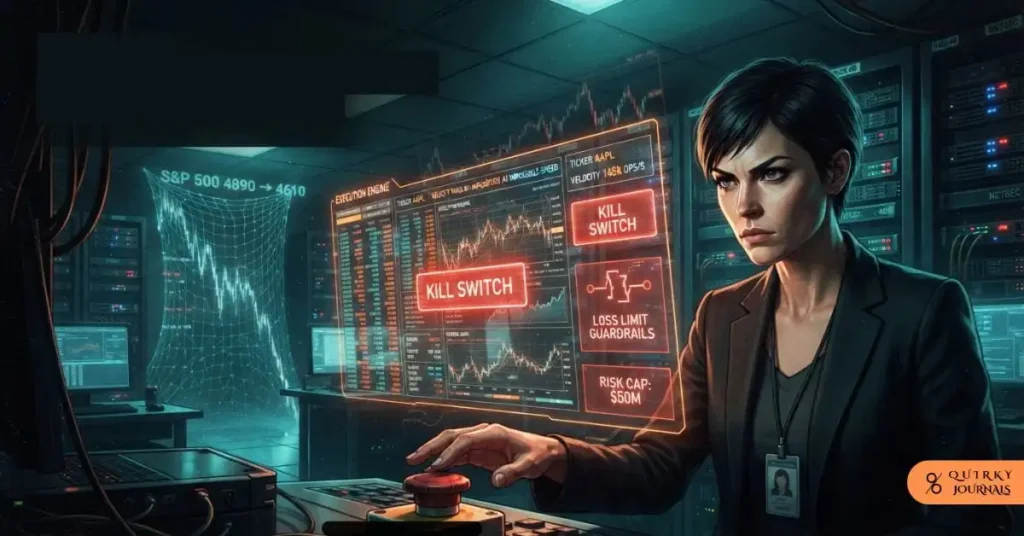
Automated Trading Risk How to Build a Kill Switch That Works

Algo Trading Safety Net: Risk Management for Automated Systems

Algo Trading Safety Net: Managing Automated Risk

Automated trading systems execute thousands of decisions every second. Speed and precision are their greatest strengths. Yet those same qualities can turn a minor flaw into a catastrophic loss before any human even notices a problem. Building a proper algo trading safety net is not optional. For anyone running automated strategies, robust risk management in algorithmic trading is the single most important layer of protection between your capital and a system failure.

This guide covers everything you need to know. From position sizing and stop-loss systems to kill switches, circuit breakers, backtesting frameworks, and real-time monitoring, each section provides actionable guidance grounded in established practice. Whether you are launching your first algorithm or refining a mature trading operation, these principles apply.

Algorithmic trading is no longer the exclusive domain of hedge funds and investment banks. Retail traders now access the same tools through platforms like QuantConnect, Interactive Brokers, and dedicated algo trading platforms. Greater access is genuinely empowering. However, it also means more traders are exposed to risks they may not fully understand. That is precisely why this guide exists.

Understanding the Core Risks of Automated Trading

Before building a safety net, you need to understand exactly what you are protecting against. Algorithmic trading risk management begins with a clear taxonomy of the risks involved. These risks fall into several distinct categories, and each one demands a different type of response.

Market risk is the most familiar. It refers to losses caused by unfavorable price movements in the assets your algorithm trades. Every strategy carries market risk. The goal is never to eliminate it entirely, but to size and structure your exposure so that losing periods remain survivable.

Execution risk arises when the actual fill price d

Algo Trading Safety Net: Risk Management for Automated Systems Read More »

Speed vs. Logic in Algo Trading A Deep Dive into Execution and High-Frequency Trading

Algo Trading Explained: Why Speed and Logic Both Matter

Trillions of dollars change hands every day — and most of it never touches a human hand. Behind every price on your screen, algorithms are racing, calculating, and executing in microseconds. But not all trading bots are built the same. Some chase speed. Others chase logic. Understanding the difference between algorithmic trading and high-frequency trading could change how you see every market you participate in — and who’s really pulling the strings.

Algo Trading Explained: Why Speed and Logic Both Matter Read More »

Discover the key metrics, validation steps, and pitfalls to know before risking capital on an algorithmic trading system.

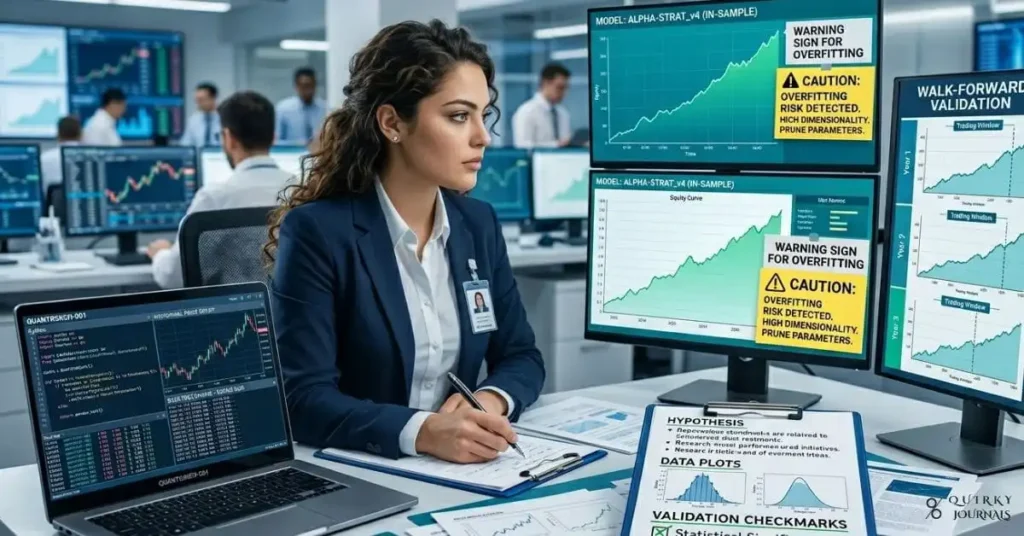
The Algo Trading Blueprint: Backtest Like a Scientist

Backtesting is the scientific method applied to trading: turn a vague idea into a precise rule set, test it on historical data, and judge it by evidence rather than hope. This guide shows you how to design an algorithmic strategy like a hypothesis, run a proper backtest, evaluate the results with the right metrics, and avoid the traps that make many “profitable” systems fail in live markets.

The Algo Trading Blueprint: Backtest Like a Scientist Read More »

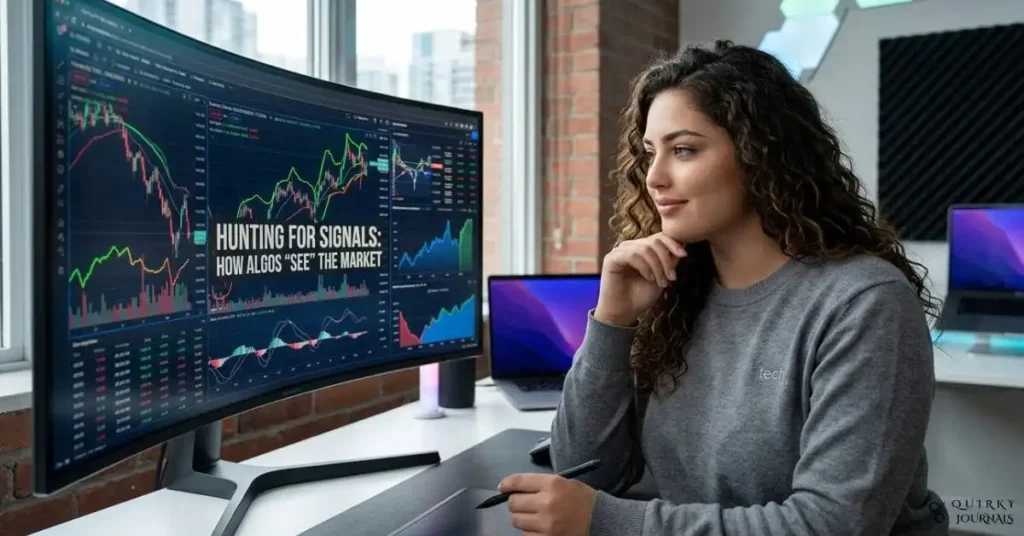
A cinematic, high-detail illustration of a dark, server-filled data center on one side, with streams of raw tick data flowing like jagged neon lines, and on the other side, a clean trading dashboard where the same data has been compressed into smooth OHLC candlestick charts and RSI and moving average lines. In the middle, a magnifying glass traces over the candles, with visible “signals” highlighted as glowing arrows pointing up or down. Deep blue and electric green color palette, futuristic but realistic, 16:9 aspect ratio, ideal as a blog header for an article on how algorithms “see” the market by turning noise into signals.

How Algos “See” the Market: Signal Hunting Explained

Algorithms don’t trade raw chaos—they trade distilled signals. Every second, markets generate a flood of tick data, order-book movements, and trades, but an algo “sees” only the patterns extracted from that noise. This guide explains how raw tick streams are turned into OHLC bars, how indicators like moving averages and RSI pull trends and momentum out of the chaos, and how modern algos detect signals that human traders would miss in the noise.

How Algos “See” the Market: Signal Hunting Explained Read More »

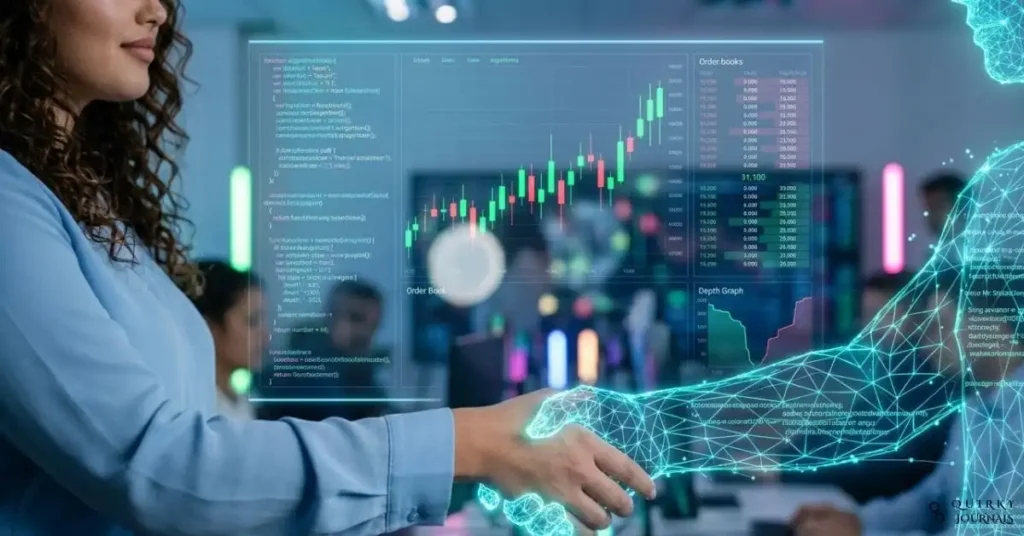
A high-detail illustration of two hands meeting in a “digital handshake”: on the left, a human hand in a business shirt sleeve, and on the right, a glowing polygonal/wireframe hand made of data lines and code. Behind them, large transparent screens show candlestick charts, order books, and lines of algorithm code scrolling vertically. The setting is a modern trading floor with blurred figures and monitors in the background. Cool blue and teal color palette with subtle neon accents, 16:9 aspect ratio, suitable as a hero image for an article introducing algorithmic trading.

The Rise of the Machines: What Algorithmic Trading Really Does

Financial markets are no longer moved only by human traders shouting orders on a floor—they are increasingly shaped by code executing in microseconds. Algorithmic trading uses predefined rules and models to scan markets, place orders, and manage risk at speeds and scales humans cannot match, reshaping how liquidity, volatility, and opportunity work across asset classes. This guide explains what algo trading is, how it works in practice, its core benefits and risks, and what beginners need to understand before letting a “digital handshake” trade on their behalf.

The Rise of the Machines: What Algorithmic Trading Really Does Read More »